

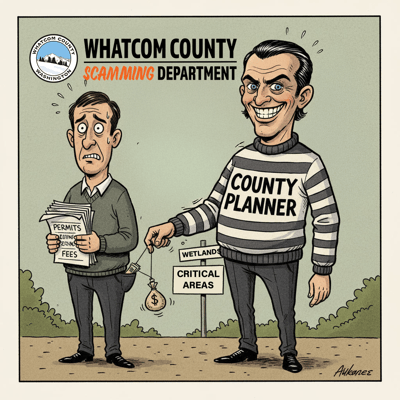
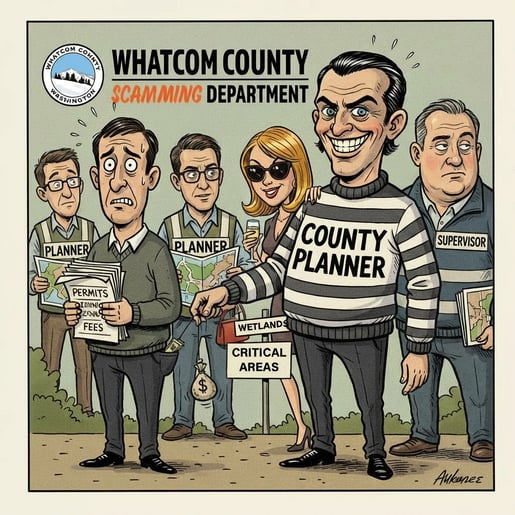
When the Gatekeepers Become the Profiteers
Dierdorff v. Matthew Mahaffie, Whatcom County et al. did not have to happen.
We asked for a conversation about how a department that operates without meaningful accountability to the public or to those seeking to develop can be improved. We proposed something like an ombudsman function — a place where complaints can be addressed without retribution, where processing timelines are challenged, and where outcomes are measured and improved.
We received silence. And then a lawsuit became necessary — not just to right the injustices done to the Dierdorffs, but to expose the dangers of a department that answers to no one, yet can inflict financial damage, costly delays, and lasting disruption on anyone whose property it decides to regulate.
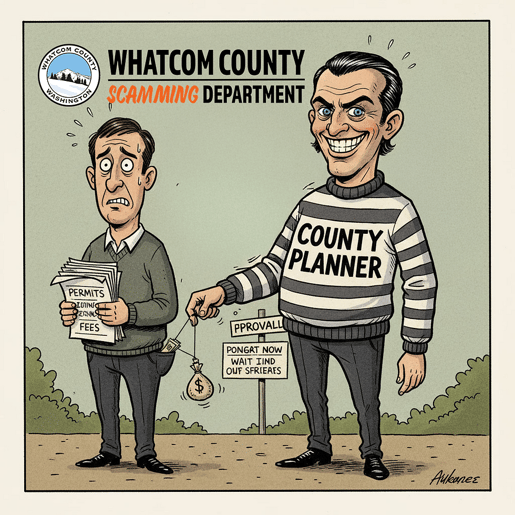
PART 1: When a Corrupt Whatcom County Planner Started Helping Himself
A Whatcom County Natural Resources Planner used his regulatory power over wetland permits and critical areas to steer properties toward mitigation credits — then profit from them. An 80-year-old property owner was among those affected. The financial trail points to nearly three-quarters of a million dollars in alleged gains.
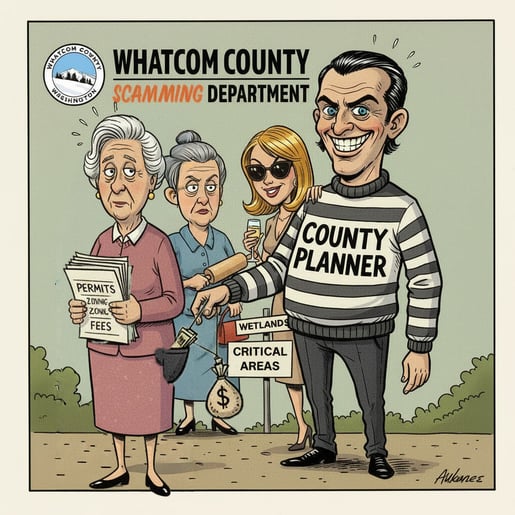
PART 2: The Girlfriend, The Mother, The Mitigation Credits Hustle, and Robbing an Elderly Seller
The Castlerock property wasn't a one-time windfall. The pattern extends to properties purchased by Mahaffie's girlfriend and his company — and to a personal mitigation bank worth over $500,000 that Mahaffie could offer to the very developers whose permits he controlled. The same regulatory power that made properties "unbuildable" was the same power that determined who could fix them.
PART 3: The Facts and Timelines for the Complaint that Was Filed
When citizens connected the dots, they didn't just talk — they documented everything. Property records, permit timelines, transaction histories, business registrations, and a clear pattern of regulatory decisions that benefited Mahaffie personally. They filed a formal 120-page complaint. Whatcom County was now on record. It could no longer claim it didn't know.
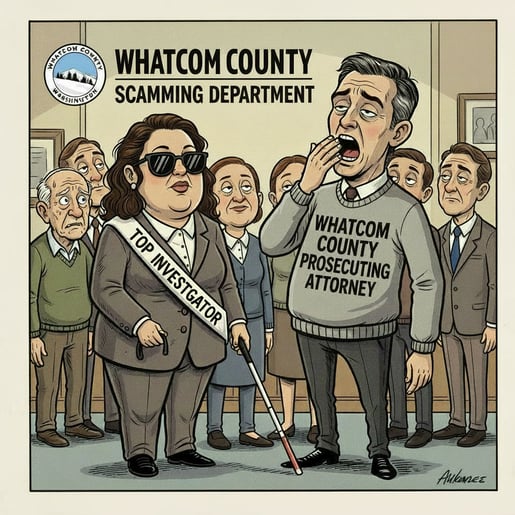
PART 4: The Whitewash—How Whatcom County's "Independent" Investigation Was Designed to Find Nothing
Part 5: The All-Clear LetterHow County Attorneys Made Obvious Corruption Disappear on Paper
After the whitewash report, county attorneys formalized the outcome with an official all-clear letter — using legal language to characterize documented conflicts of interest as permissible conduct. The letter wasn't a finding of fact. It was a paper shield designed to end the conversation and protect the institution from accountability.f
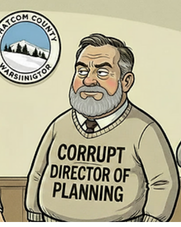
PART 6: The Threats From the Corrupt Director of Planning, When Citizens Share Information About His Department's Corruption
In October 2024, Whatcom County Planning Director Mark Personius sent a threatening letter to a citizen who had shared information about the investigation. Not a correction. Not a denial. A threat. This is what government accountability looks like when the system is protecting itself — not the public.

PART 7: Your Move, County Council—Specific Demands for Accountability
The evidence is on the record. The cover-up is documented. The threats are in writing. Now Whatcom County Council faces a choice: investigate this properly under state law, or become part of the cover-up by doing nothing. This final installment names the specific actions the Council can and should take — and makes clear that the public is watching.
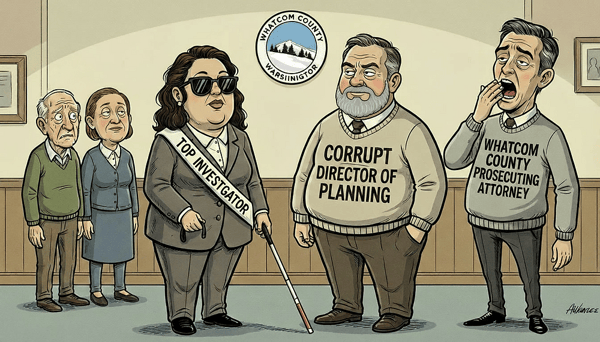
BONUS: Did the Corrupt Whatcom County Planning Department and the Prosecutor's Office Conspire to Defraud a Property Owner?
A Whatcom County Natural Resources Planner used his regulatory power over wetland permits and critical areas to steer properties toward mitigation credits — then profit from them. An 80-year-old property owner was among those affected. The financial trail points to nearly three-quarters of a million dollars in alleged gains.
BONUS: The Lawsuit
Dierdorff v. Matthew Mahaffie, Whatcom County et al. did not have to happen.
Whatcom County Executive and the County Council have been copied on every document that forms the basis of our investigation at https://whatcomcorruption.com. We have spoken at public comment more than a dozen times. We did not arrive at this moment looking for conflict. We sought a meeting. We asked for something far short of nuclear — not the destruction of the planning department, not immediate bar complaints against the attorneys involved. We asked for a conversation about how to improve a department that operates without meaningful accountability to the public or to those seeking to develop. We proposed something like an ombudsman function — a place where complaints can be addressed without retribution, where processing timelines are challenged, and where outcomes are measured and improved.
We received silence. And then a lawsuit became necessary — not merely to right the injustices inflicted on the Dierdorffs, but to expose the dangers of a department accountable to no one, yet empowered to inflict financial damage, costly delays, and lasting disruption on anyone who seeks to develop in Whatcom County.
We may have no other choice than to take legal action against you.
Let us know
🔒 Your Privacy Is Protected
Your inquiry is confidential. We will never share your information or story without your explicit permission.
As a journalistic organization, your identity is protected under First Amendment journalistic source privilege. We will not disclose your name or any identifying information without your written consent.